Tag: #NegotiableInstrumentsAct

Tag: #NegotiableInstrumentsAct

Cheque Bounce: Legal Remedies, Notice, Procedure and Protection Under the Law

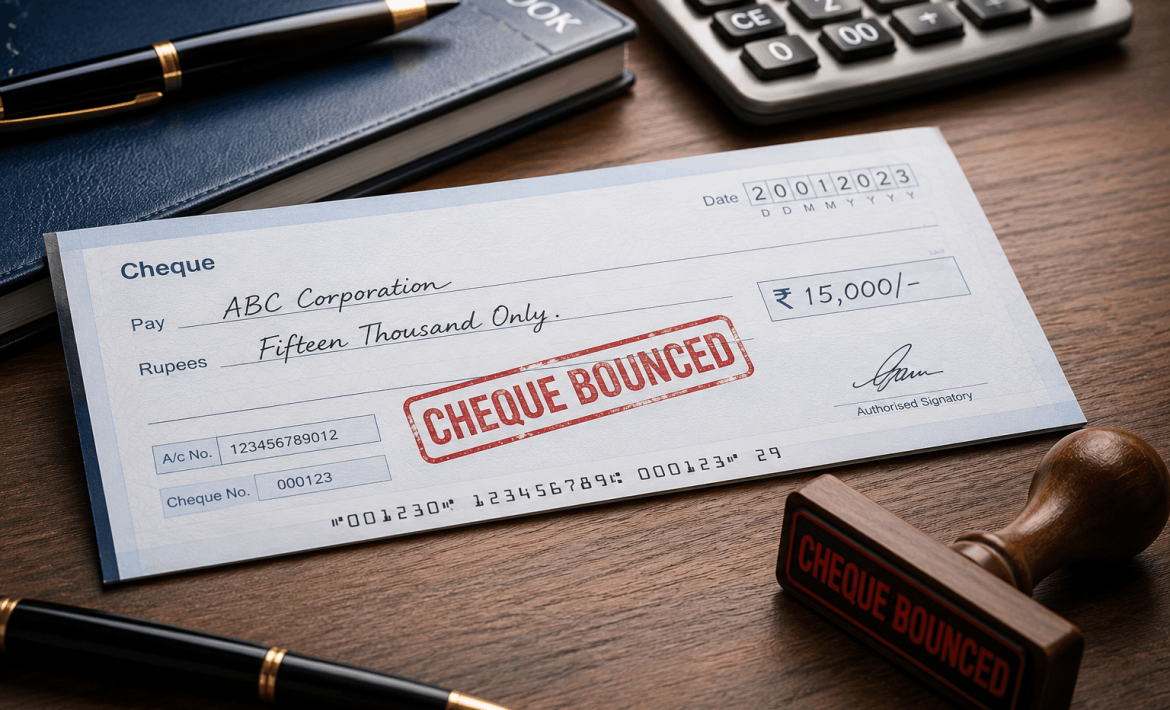
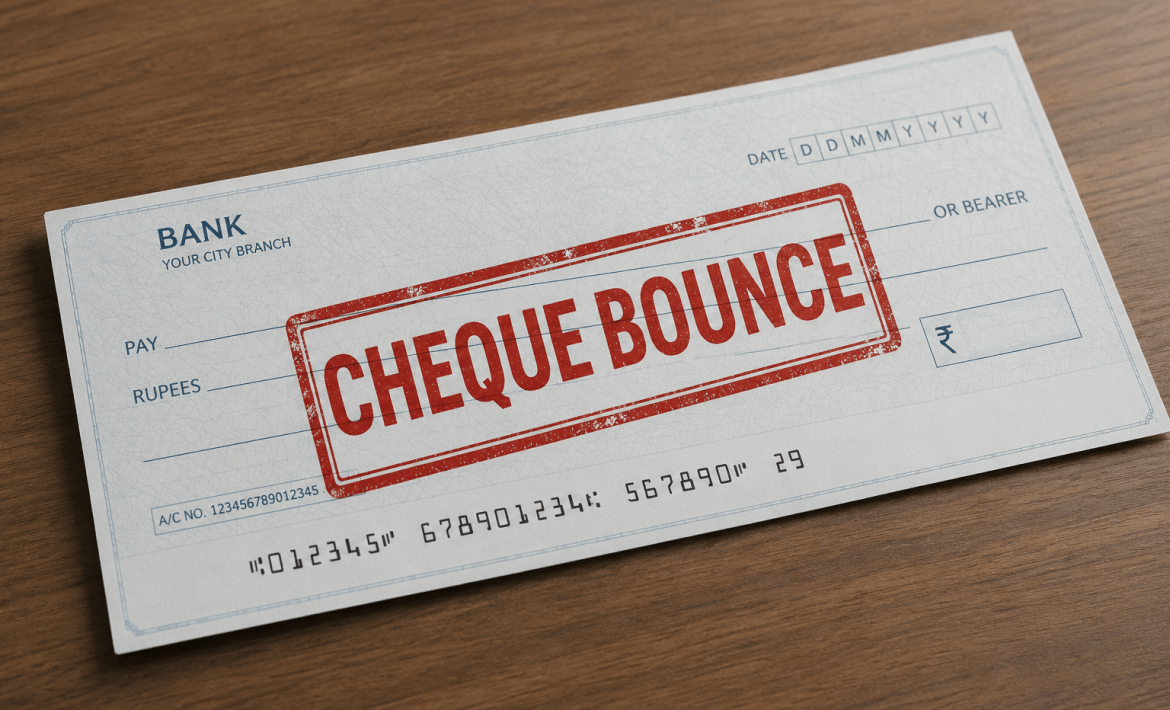
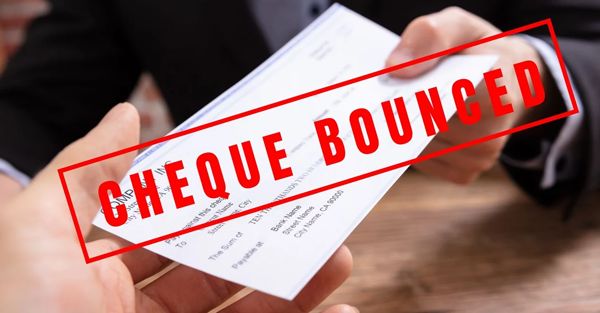
A cheque is one of the most commonly used instruments for making payments in business and personal transactions. However, when a cheque is returned unpaid by the bank, it may create financial, legal, and commercial complications. A cheque bounce can occur for several reasons, including insufficient funds, account-related issues, signature discrepancies, payment instructions, or other

Cheque Bounce: Legal Remedies, Notice, Procedure and Key Considerations

A cheque bounce is a serious financial and legal issue that can arise when a bank refuses to honour a cheque presented for payment. In India, cheque dishonour involving a legally enforceable debt or liability may attract legal proceedings under the Negotiable Instruments Act, 1881, particularly Section 138. Businesses, individuals, creditors, and borrowers should understand

Cheque Bounce: Legal Remedies, Procedure, Causes and Importance of Timely Action

A cheque is one of the most commonly used instruments for making payments in business and personal transactions. It provides a convenient way to transfer money without requiring immediate cash payment. However, when a cheque is presented to the bank and is returned unpaid, the situation can become legally and financially complicated. A cheque bounce

Cheque Bounce in India: Legal Remedies, Penalties & Expert Legal Assistance

A cheque is one of the most commonly used financial instruments for business transactions, loan repayments, rent payments, and commercial dealings. It represents a promise that the issuer has sufficient funds in their bank account to honor the payment. However, when a cheque is returned unpaid by the bank due to insufficient funds or other

Cheque Bounce Cases in India: Legal Remedies, Penalties & Recovery Process

A cheque is one of the most widely used financial instruments for business transactions, loan repayments, rent payments, and commercial dealings in India. However, when a cheque is returned unpaid by the bank due to insufficient funds or other valid reasons, it is known as a cheque bounce or dishonour of cheque. Cheque bounce cases

Cheque Bounce Under Section 138 NI Act: Everything You Need to Know

Cheque bounce cases are among the most common financial and legal disputes in India. Whether it is a business transaction, personal loan repayment, partnership dealing, or payment for services, a dishonoured cheque can create serious financial complications for both parties. To protect the credibility of cheque transactions and maintain trust in the banking system, the
Select the fields to be shown. Others will be hidden. Drag and drop to rearrange the order.
  • Image
  • SKU
  • Rating
  • Price
  • Stock
  • Availability
  • Add to cart
  • Description
  • Content
  • Weight
  • Dimensions
  • Additional information
Click outside to hide the comparison bar
Compare
×