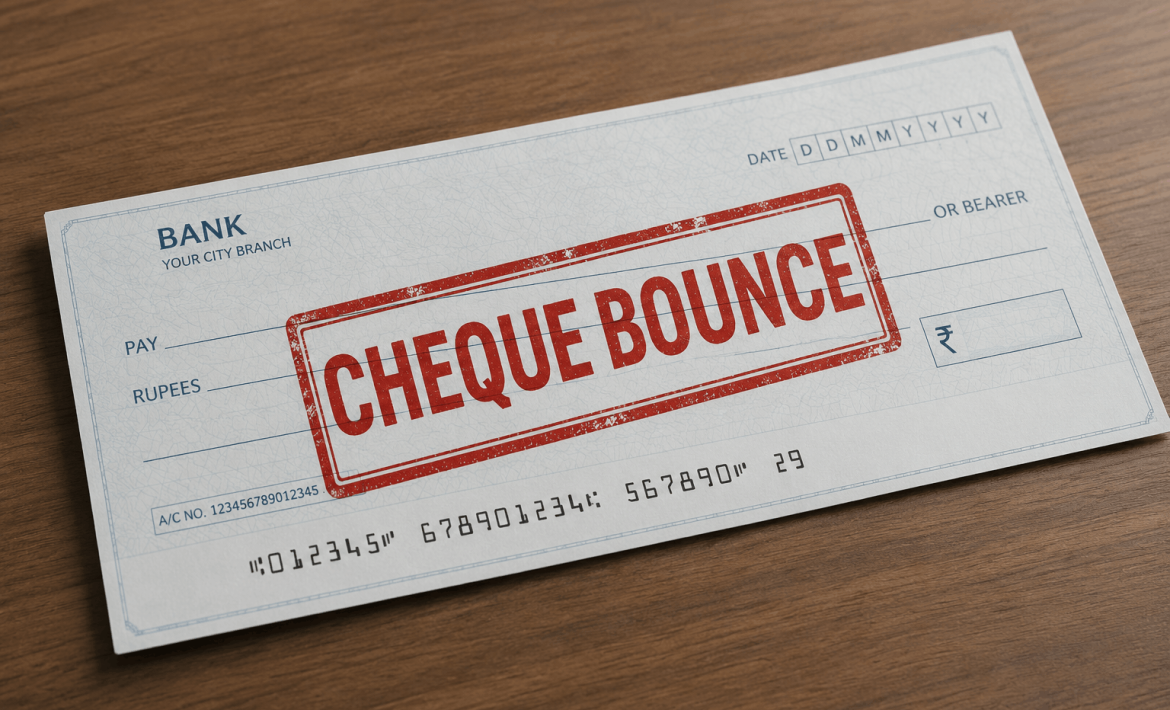
A cheque bounce occurs when a cheque is presented for payment but is returned by the bank due to insufficient funds or other issues with the account. It is a serious matter that can result in both civil and criminal consequences, particularly when the cheque is issued in the course of business or personal transactions. The dishonoring of a cheque can severely affect the reputation and financial stability of individuals or businesses involved. If you are dealing with such a matter, consulting an experienced Cheque Bounce Lawyer in South Delhi can help you understand your legal rights and take the correct legal action.
At Advocate Rakesh Gaur’s law firm we provide expert legal assistance to both individuals and businesses dealing with cheque bounce cases. Whether you are facing accusations of issuing a dishonored cheque or need to take legal action against someone who has bounced your cheque we offer tailored solutions to ensure the best possible outcome for your case.
What is a Cheque Bounce?
A cheque bounce can happen for a variety of reasons, including:
Insufficient Funds: The most common reason a cheque bounces is when the issuer’s account does not have sufficient funds to cover the amount written on the cheque.
Signature Mismatch: If the signature on the cheque does not match the bank’s records the cheque may be rejected.
Account Closed: If the account on which the cheque is drawn has been closed the cheque will not be honored.
Post-Dated or Stale Cheques: A cheque that is post-dated or has exceeded its validity period can bounce when presented for payment.
Incorrect Details: Errors in name, amount or other details can also cause rejection.
Legal Consequences of Cheque Bounce
Cheque bounce is not just a financial issue; it also leads to serious legal consequences under the Negotiable Instruments Act, 1881.
Criminal Liability
Section 138 of the Act criminalizes issuing a cheque that bounces due to insufficient funds. It can lead to imprisonment up to two years, a fine or both.
Civil Liability
The payee can also file a civil suit for recovery of the cheque amount.
Reputation Damage
Frequent cheque bounce incidents can harm personal and business credibility.
How to Handle a Cheque Bounce Case?
For the Payee
- Issue a legal notice within 30 days of receiving the bank memo.
- If payment is not made within 15 days file a complaint under Section 138 NI Act.
For the Drawer
- Try to settle the amount immediately.
- Respond to legal notice within the prescribed time.
- Prepare a proper legal defense if falsely accused.
Key Legal Steps in Cheque Bounce Cases
Issuance of Notice
A legal notice must be sent within 30 days of cheque dishonor, demanding payment within 15 days.
Filing a Complaint
If payment is not made a complaint can be filed in Magistrate Court within the prescribed limitation period.
Court Proceedings
The court examines evidence such as cheque, notice and payment default before deciding the case.
Settlement or Compromise
Many cases are resolved through mutual settlement with legal assistance.
How We Can Help You with Cheque Bounce Cases
We provide legal support in notice drafting, complaint filing, court representation, defense strategy and debt recovery proceedings.
Why Choose Advocate Rakesh Gaur for Cheque Bounce Matters?
We specialize in Negotiable Instruments Act cases and provide strong legal representation with a client-focused and strategic approach.
If you are dealing with cheque dishonor issues an experienced Cheque Bounce Lawyer in South Delhi can help you protect your rights, recover your money and handle court proceedings effectively.
Contact Advocate Rakesh Gaur for professional legal assistance in cheque bounce matters.